Interests - May 19, 2026
What is Your Earliest Memory of Money?


By Brett Shaver
Published May 19, 2026
Article at a Glance
- Behavioral finance starts early: Childhood money memories often shape unconscious beliefs that affect how we save, spend, invest, and define success as adults.
- Beyond the Balance Sheet: Early financial experiences may reveal more about risk tolerance and values than traditional financial questionnaires.
- Mindset matters: Conversations about money fears, motivations, and experiences versus possessions are often foundational to long-term wealth management decisions.
The Question That Reveals Clues About Your Money Mindset
Recently, my colleague Tara Bansal posed a profound question after listening to financial planner and writer Carl Richards:
“What is your earliest memory of money?”
I love this question.
Truthfully, I have always wanted to ask our wealth management clients this in meetings, but have hesitated, feeling it was perhaps too personal. Yet, the more I analyze the psychology of investing, the more I suspect our earliest money memories explain a great deal about how we save, spend, worry, and ultimately define financial success.
After reflecting on my own answer, I may start asking it.
Because the answer likely reveals more about someone’s financial psychology than a risk tolerance questionnaire or balance sheet ever could.
An Early Lesson in Saving, Scarcity, and Buyer’s Remorse
I immediately knew my answer. My earliest money memory dates back to the mid-1980s.
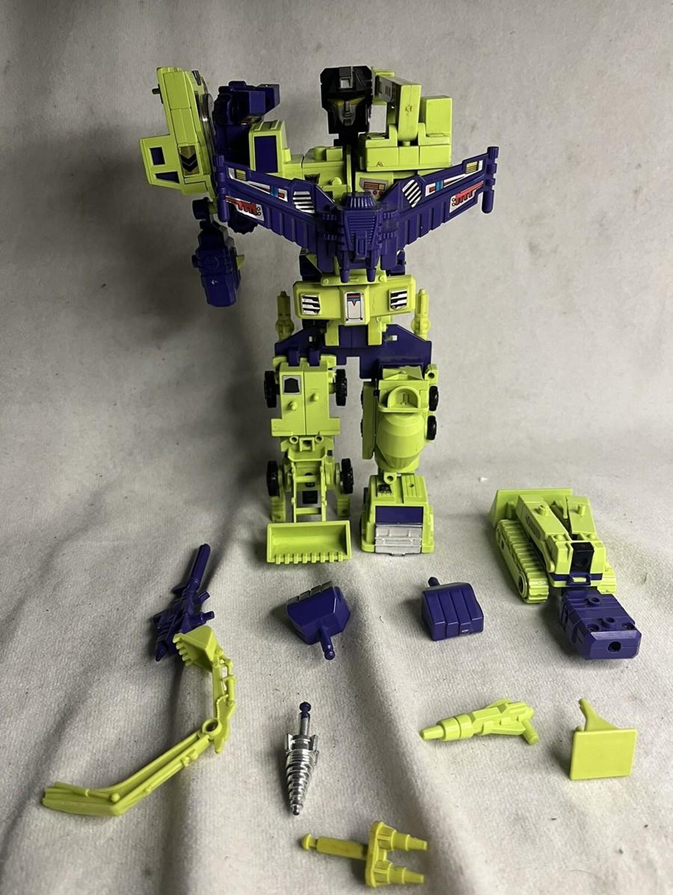
For months, I diligently saved allowance money, birthday gifts, and holiday cash with a singular financial goal: purchasing the Transformers Constructicons Devastator set—the six green construction vehicles that combined into one giant robot. To an eight- or nine-year-old in the mid 80s, this was not just a toy. It was THE toy.
I remember going to Toys “R” Us expecting to finally buy it, only to find out they were sold out. Total disappointment.
Somehow, my Mom tracked one down at a small toy store in Dulaney Valley Plaza in Towson, Maryland. I still remember the excitement of driving there, hoping it would actually be on the shelf. It was. (Or maybe reserved behind the counter!).
I can vividly picture holding the giant box on the ride home and spinning the cement mixer “Mixmaster,” which was definitely the best of the six mini robots.
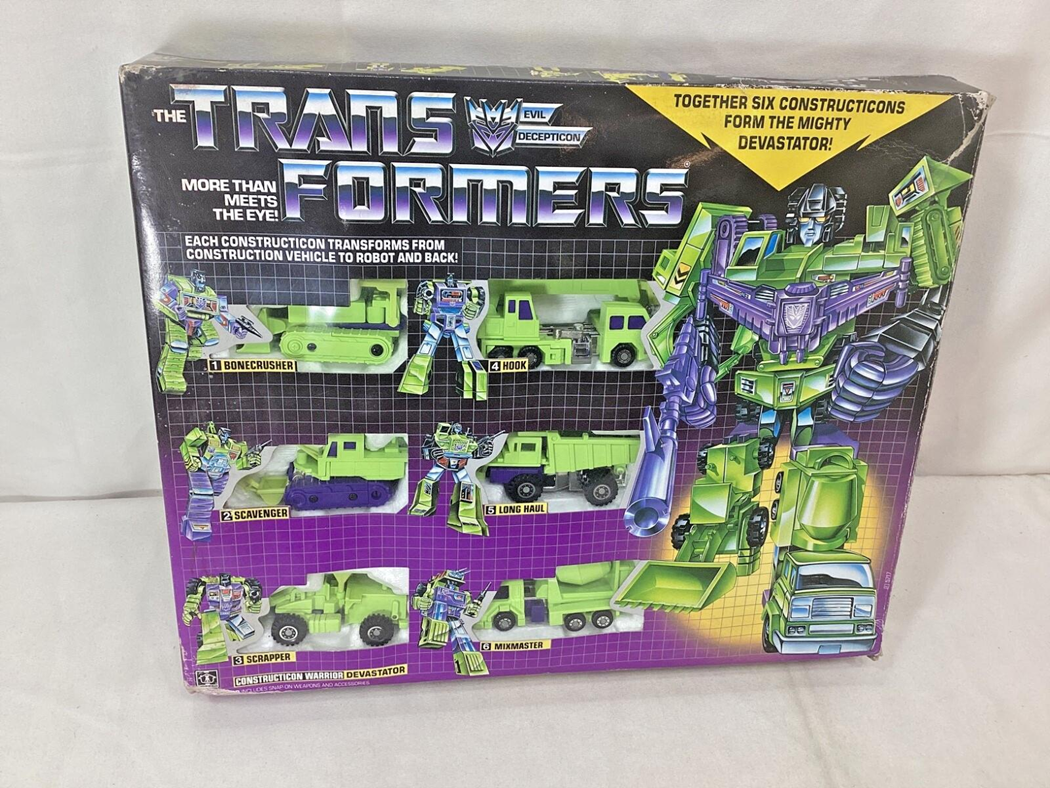
I assembled the set. Looked at it. Admired it. And then had an unexpected thought:
“That is it… Now what?”
I had spent months saving for something I wanted desperately. The excitement from this purchase faded surprisingly fast. I did not know the term then, but maybe that was my first experience with buyer’s remorse. Not because the toy was bad. But because anticipation and reality are often different.
Experiences Often Appreciate More Than Possessions
Looking back, what stands out is not the toy itself. I remember:
- Saving toward a goal
- Delayed gratification
- The disappointment of Toys “R” Us being sold out
- My Mom somehow finding one elsewhere
- The drive to Towson
- The anticipation
- The excitement of finally having enough saved
The experience endured. The possession faded.
Don’t get me wrong, I like nice things. I enjoy quality craftsmanship, a beautiful home, and purchases that genuinely improve life. There is nothing wrong with enjoying the rewards of hard work.
But over time, I have noticed many possessions become part of the background. Experiences tend to age differently. Family trips become stories. Meals become traditions. Time with parents, children, or friends often grows more valuable in memory than it felt in the moment.
Experiences rarely create buyer’s remorse years later. And while possessions can reveal imperfections or become ordinary, experiences often compound in value through memory.
A Question Worth Asking
I’d encourage you to ask yourself—or someone close to you: What is your earliest memory of money?
The answer may explain more about your relationship with money today than you expect.
You may better understand a spouse’s spending habits, a parent’s views on saving, or even why you approach investing, risk, and financial decisions the way you do. Often, our financial stories begin long before a first paycheck, retirement account, or investment portfolio.
For me, the question uncovered more than a childhood memory.
It brought back lessons about saving toward a goal, delayed gratification, disappointment, buyer’s remorse, and the realization that experiences often stay with us longer than possessions. Looking back, those early experiences may help explain parts of how I think about spending, investing, and wealth today.
The exercise also convinced me of something else: I will likely start asking clients this question.
Not because I want to talk about money itself, but because the answer may reveal values, fears, motivations, and experiences that quietly shape financial decisions decades later.
Those conversations tell you more than a balance sheet, portfolio allocation, or risk questionnaire ever could.
My financial education started with a Transformer toy, a sold-out Toys “R” Us, and a very determined Mom who somehow tracked one down at a small store in Towson.
The memory lasted longer than the purchase ever did.